
Best Plywood for Modular Kitchen: A Complete Buying Guide
A modular kitchen is more than just a cooking space — it’s the heart of the home. And selecting the right plywood is the foundation of a long-lasting, water-resistant, termite-free, and sturdy kitchen.
In this guide, we help you choose the best type of plywood suited for modular kitchens based on durability, moisture resistance, load bearing, and cost-effectiveness. You’ll also learn what to check when buying plywood so that your kitchen furniture lasts for years without problems.
Continue reading to find which plywood grade fits which part of your kitchen — from base cabinets to overhead storage and shutters.
Why Choosing the Right Plywood Matters for Modular Kitchens
Modular kitchens are exposed to heat, humidity, water splashes from sinks, frequent use, weight of kitchenware, and regular wear-and-tear. Poor-quality plywood can lead to swelling, sagging shelves, termite infestation, loose joints, and early deterioration of furniture surfaces. By investing in high-quality plywood at the start, you save on maintenance and replacements over the coming years.
Which Plywood Grades Are Best for Kitchens?
For modular kitchens, not all plywood grades are equal. Below are the grades that perform best depending on the part of kitchen:
Recommended Plywood Thickness for Modular Kitchen Elements
Depending on the component of the kitchen, appropriate thickness ensures strength and durability:
| Kitchen Component | Recommended Plywood Thickness |
|---|---|
| Base cabinet carcass (frame) | 18 mm (BWR / Marine) |
| Kitchen countertop base (under laminate or granite) | 18–21 mm (preferably Marine grade) |
| Overhead cabinet boxes | 16–18 mm (BWR grade) |
| Cabinet shutters / doors | 16 mm (BWR / Film-faced if finish required) |
| Back panels / interior backing | 8–12 mm (MR or BWR, if dry zone) |
| Base shelving inside cabinets | 12–16 mm (BWR, depending on load) |
Key Features to Check Before Buying Plywood for Kitchen
Why BWR / Marine Grade Plywood is Worth the Investment
Although BWR or Marine-grade plywood costs slightly more than MR-grade or cheap plywood, the benefits far outweigh the extra price when used in kitchens:
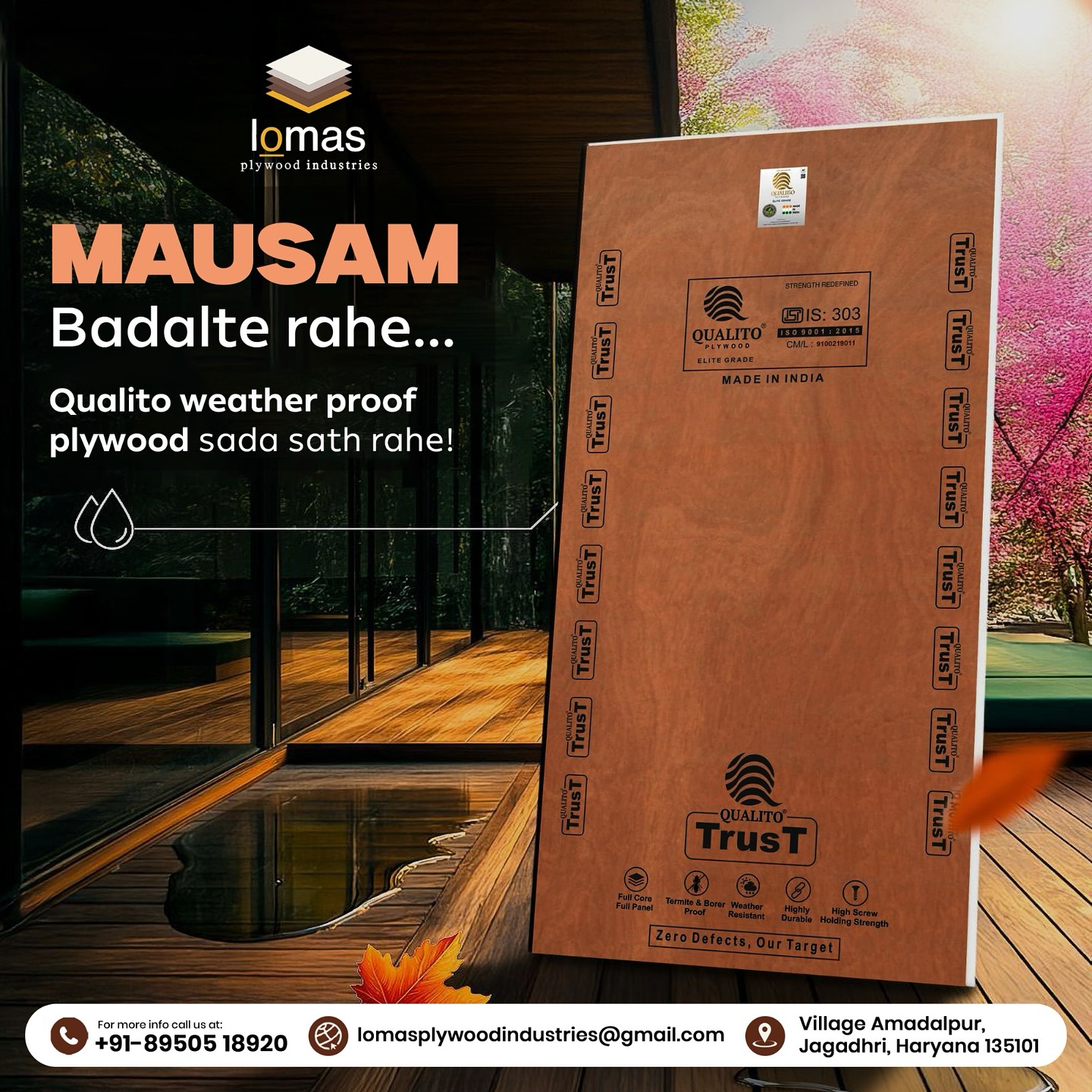
Water & Moisture Resistance: PF resin bonding and high-density veneer prevent swelling and deterioration even under sink water splashes, steam, and humidity.
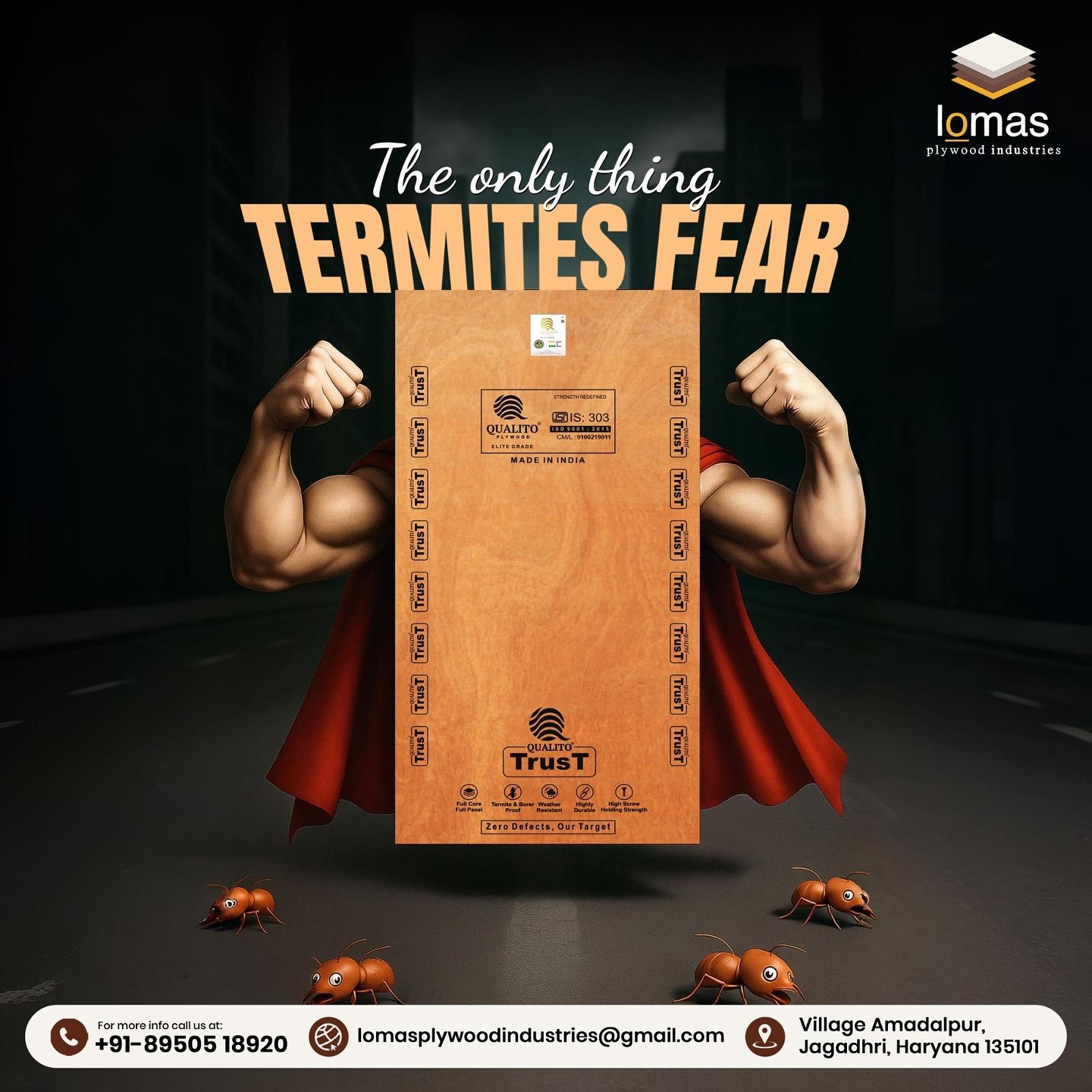
Termite & Borer Protection: High-grade plywood is often treated or manufactured in a way that resists termite attack — critical for kitchen longevity.
Long-Term Strength: Under heavy loads — like granite countertops, heavy utensils, or multiple racks — BWR / Marine plywood maintains structural integrity without sagging.
Better Finish & Cleanliness: When combined with laminate or film-faced finish, kitchen surfaces become easy to clean and maintenance-free.
Common Mistakes People Do When Buying Kitchen Plywood
Estimated Cost vs Value: Why Quality Pays Off
While premium plywood (BWR / Marine) may cost 10-25% more than cheap plywood, the total lifecycle cost of your modular kitchen drastically reduces. You avoid repeated repairs, replacements, painting or redoing shelves or shutters. So what looks like higher upfront cost often turns out to be more economical and reliable long term.
How to Maintain Modular Kitchen Plywood for Long Life
Even after choosing quality plywood, proper maintenance ensures decades of service:
• Keep kitchen dry; wipe spills immediately — do not leave water pooling on plywood surface.
• Avoid direct flame or hot cookware on plywood surface — always use trivets or heat-resistant pads.
• Use gentle cleaning agents; avoid harsh chemicals that may degrade laminate or veneer.
• Periodically check for loose joints or screws; tighten if needed.
• Ensure good ventilation to reduce humidity — especially in closed kitchens.
Conclusion: Best Practice for Buyers & Builders
For a modular kitchen that lasts decades, looks good, and needs minimum maintenance, always choose high-quality plywood — preferably BWR or Marine grade — with correct thickness and finish. Cheap plywoods may be tempting initially, but they almost always lead to problems including swelling, termite damage, structural failure, or frequent repairs. Investing in quality plywood is investing in peace of mind and long-term home comfort.
Want Premium Kitchen-Grade Plywood?
At Lomas Plywood Industries, we offer BWR / Marine-grade plywood ideal for modular kitchens, with guaranteed quality and nationwide delivery.
Email: info@lomasplywood.com
Website: https://lomasplywood.com